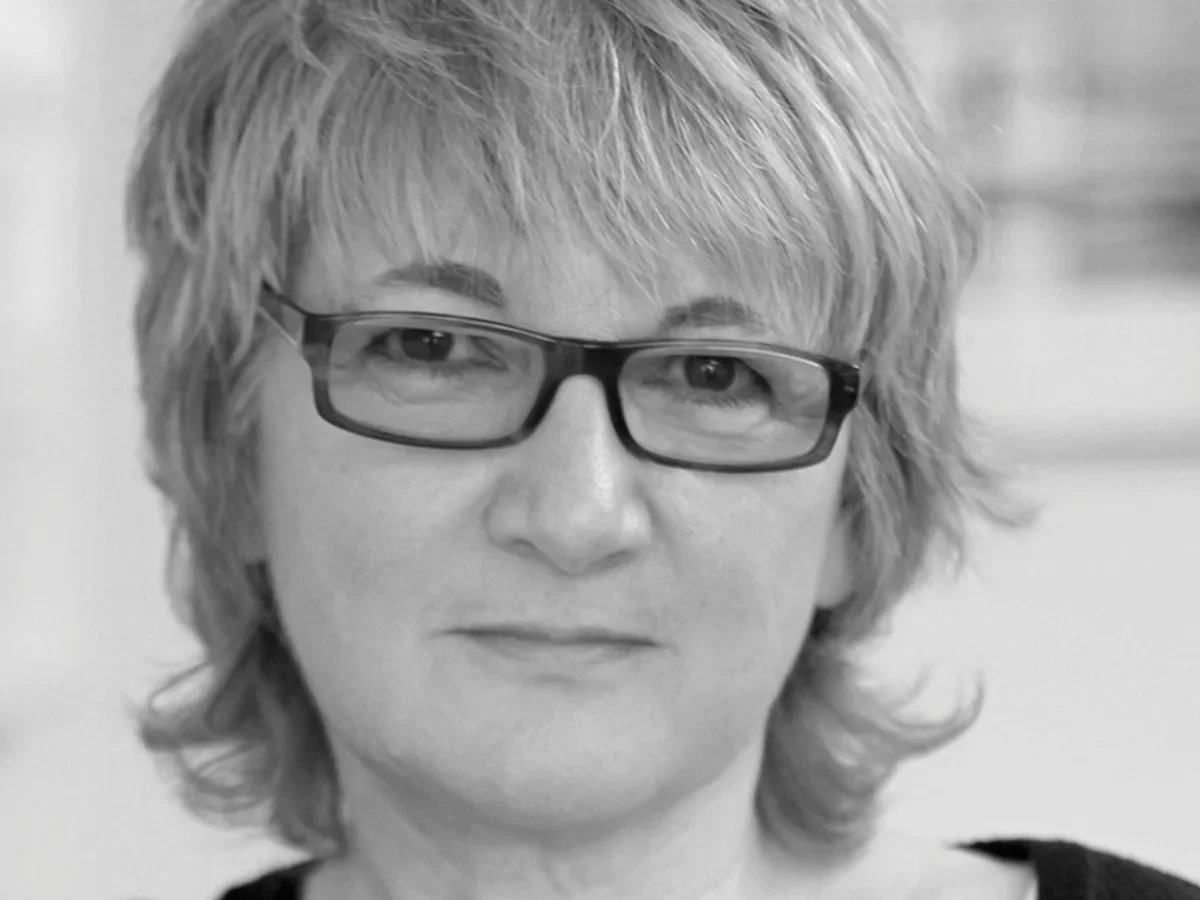
NOTE FROM THE FUTURE: Anne Charnok is a science fiction author, winner of the 2018 Arthur C. Clarke Award, nominated for a plethora of other awards, and fellow 47North publishing alum. She was kind enough to give me a guest post on her blog back in 2014. The theme of the post was writing serial fiction.
Hi there. My name is Roberto Calas and I’m what you might call a trench novelist. Like Anne, I am published by 47North. Unlike Anne, I am bat-shit insane. I write novels on deadlines. Incredibly tight, incredibly stressful deadlines.
You know those short-order cooks at busy roadside diners? The ones who churn out fourteen breakfasts in six minutes? That’s me. Except no one gives a short-order cook a 2-star review on Amazon if his eggs are runny. My plots can’t be runny. Each episode of my books has to be cooked to perfection in as short a time as possible, or I will fail and be forced to accept a new career as an *actual* short-order cook.
No pressure, though.

I write serials for 47North. If you aren’t familiar with the Kindle Serials program, here’s the ten-second version of how it works: Readers buy the entire series for one price (a startlingly low $1.99). Let’s say the serial already has three episodes published when the reader buys it. Those first three episodes appear in the reader’s kindle as a single book. That book grows larger each time a new episode is released (in my case, new episodes are released every two weeks). The reader never has to pay another dime, the book just keeps growing until it is finished.
It’s all neat and tidy. Except that it isn’t. Not for me anyway. Because I have to write a miniature novel every week. A well-thought-out, beta-read, repaired, polished, re-read, re-polished and prayed over novel. 47North runs two rounds of edits (content and copy), each one requiring more revising from me, and then the episode is gone. It’s like seeing your child born, then watching that child learn to walk, go to school, and jet off to college in half a month. But I know this will happen in advance, so I give that child a lifetime’s worth of care and nurturing in just two weeks. And if I fail to, he’ll become a depraved serial killer (go with it, it works) and destroy my family honor.
No pressure, though.
I shouldn’t complain. Serials have a distinguished pedigree. Alexander Dumas. Charles Dickens. Herman Melville. Harriet Beecher Stowe. Gustave Flaubert. Sir Author Conan Doyle. And Stephen-freaking-King. All of them either started out as serial writers or had great success with serials at some point. And those names are just a tiny fraction of the serial writers throughout history. If I could reap even a tenth of the success of some of those writers, I would spend much of my spare time doing air guitars and high-fiving strangers.

And you know what? I understand why so many great writers came from the serial ranks. Because writing in this way makes you think carefully. It makes you concentrate on each word. You don’t have the luxury of going back again and again. You focus on getting it right in as few passes as possible. You keep the pacing in mind. You keep your foot on the tension pedal. You remind yourself of everything you need to do, and you do it as efficiently as you can. Writing serials gives your writing a discipline that is difficult to achieve with standard novel writing. I’m not saying it’s a better way to write. Serial writing has many drawbacks. And the discipline you gain is in efficiency and forethought mostly. But I have to say, the books I’ve published as a serial writer are probably the best I have written. So, that’s something.
I plan to write a standard novel again in the future, and when do, I hope to apply everything I have learned from serials. I’d like to combine all of the best points of both mediums and hopefully leap to new levels in my craft. Alexander Dumas, here I come! Stephen King, watch your back!
Um.
But just in case, does anyone know of any roadside diners looking for help?